
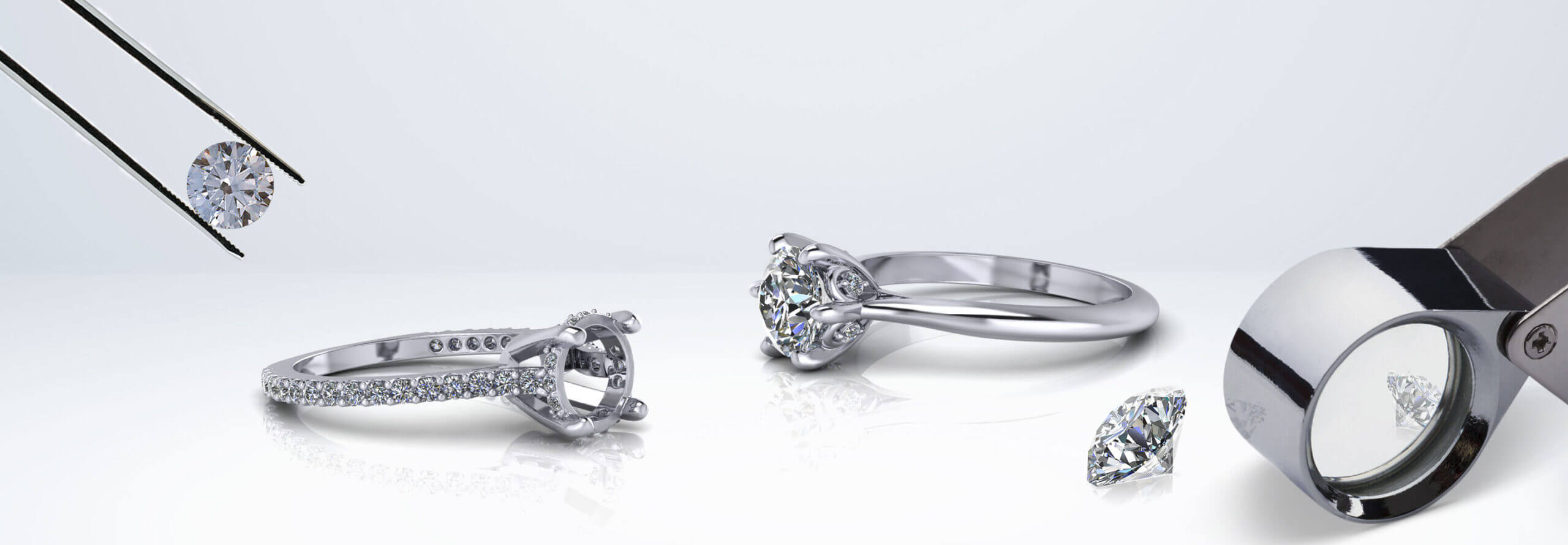
Diamonds have continually held a unique place in the world of fine jewelry, symbolizing love, commitment, and timeless elegance. Among the numerous shapes and styles available, oval diamond rings have steadily gained recognition for their distinctive blend of sophistication and visual appeal. At the same time, the jewelry industry has been transformed by the growing acceptance of lab diamonds, which provide a more ethical and often more affordable alternative to mined stones.
When these trends intersect—an oval diamond cut crafted in a laboratory—you get a combination that resonates with modern couples seeking beauty, value, and conscience in their choice of engagement or celebration jewelry.
Why the Oval Cut is Captivating Jewelry Lovers
The oval cut diamond has been around since the 1960s, credited to diamond cutter Lazare Kaplan, who refined the elongated form for maximum sparkle. Its enduring allure lies in its ability to capture light brilliantly while offering a flattering appearance on the hand.
Oval diamonds share the fire and brilliance of a round brilliant cut but with an elongated silhouette that can make the wearer’s fingers appear longer and more slender. Their symmetrical shape offers a balanced, timeless look while still feeling fresh and distinctive compared to more common cuts.
Another appeal of oval diamonds is their versatility. They pair well with various ring settings—solitaires, halos, pavé bands, or even more contemporary bezel settings. This adaptability allows couples to express personal style while maintaining the elegance of a classic diamond ring.
The Lab Diamond Revolution
Over the past decade, lab-grown diamonds have shifted from niche to mainstream. Once regarded with skepticism, these stones now stand as a legitimate alternative to mined diamonds, thanks to advancements in technology and growing consumer awareness.
Lab diamonds are chemically, physically, and optically identical to natural diamonds—they’re both made of pure carbon, crystallized in a cubic structure. The difference lies in their origin: instead of forming over billions of years deep within the Earth, lab diamonds are grown in controlled environments using two primary techniques:
High Pressure, High Temperature (HPHT)
Mimicking the natural diamond formation process.
Chemical Vapor Deposition (CVD)
Building the diamond layer by layer from carbon-rich gas.
From a visual and durability standpoint, lab diamonds are indistinguishable from mined ones without specialized testing equipment. Jewelers and gemologists often use the same grading standards—cut, color, clarity, and carat—for both types.
Why Oval Diamond Rings and Lab Diamonds Are a Perfect Pair
When you combine the flattering shape of an oval diamond with the innovation of a lab-grown stone, you create a ring that is not only stunning but also forward-thinking.
Affordability Without Sacrifice
Lab diamonds typically cost 30–50% less than mined diamonds of similar size and quality. This means couples can often opt for a larger carat weight or higher clarity without exceeding their budget. For oval cuts, which already tend to appear larger per carat due to their elongated shape, the savings are even more impactful.
Ethical and Sustainable Appeal
Many consumers are drawn to lab diamonds because they avoid the environmental disruption and ethical concerns associated with some mining operations. Choosing a lab-grown oval diamond allows buyers to align their purchase with their values.
Consistent Quality and Choice
Because lab diamonds are grown in controlled conditions, buyers have access to a wide variety of sizes and qualities. This makes it easier to find the perfect oval cut that meets personal preferences for brilliance, proportion, and color.
Design Trends for Oval Lab Diamond Rings
The pairing of oval diamonds and lab-grown technology has opened the door to exciting design possibilities. Some trends making waves include:
- Hidden Halo Settings – Tiny accent diamonds placed beneath the main stone add subtle sparkle visible from the side.
- East-West Orientation – Instead of the traditional vertical placement, the oval is set horizontally for a modern twist.
- Vintage-Inspired Bands – Milgrain detailing, filigree work, and tapered baguette accents nod to classic eras while showcasing a contemporary lab diamond center.
- Minimalist Solitaires – A slim, elegant band that lets the oval stone take center stage.
These trends reflect the adaptability of the oval cut, which can shift from understated to extravagant depending on setting style.
How to Choose the Best Oval Lab Diamond
When shopping for an oval-shaped lab diamond, the same principles of diamond selection apply—but with a few cut-specific considerations.
Length-to-Width Ratio
This determines the oval’s appearance. Ratios between 1.35 and 1.50 are most popular, balancing elegance with finger coverage.
Avoiding the Bow-Tie Effect
Many ovals display a shadow across the center resembling a bow tie. While some bow tie is natural, a well-cut diamond minimizes this effect without compromising brilliance.
Cut Quality
Because oval cuts aren’t graded for cut in the same way as rounds, rely on trusted jewelers and in-person inspection or high-quality video to assess sparkle.
Color and Clarity Preferences
The elongated shape can make color more noticeable, so some buyers prefer higher color grades (G or better) for a bright, white look.
The Future of Diamonds: Lab-Grown Acceptance
Market research shows lab diamonds are here to stay, particularly among younger generations who prioritize sustainability and value over tradition alone. Jewelers are increasingly offering oval lab diamond rings alongside mined options, and even luxury brands are entering the lab-grown market.
The stigma that once surrounded lab-grown stones is fading quickly, replaced by recognition of their technological achievement and ethical advantages. For many, choosing an oval cut lab diamond ring is a way to embrace modern values while enjoying a timeless aesthetic.
Caring for Your Oval Lab Diamond Ring
Whether lab-grown or mined, diamonds are incredibly durable—ranking 10 on the Mohs scale of hardness—but they still benefit from proper care:
- Clean regularly with mild soap, warm water, and a soft brush.
- Avoid harsh chemicals that could damage the metal setting.
- Store separately from other jewelry to prevent scratching.
- Have the setting checked annually by a jeweler to ensure prongs remain secure.
With proper care, your oval lab diamond ring will retain its brilliance for decades.
Conclusion: A Modern Classic
The combination of oval diamond rings and lab diamonds reflects a shift in how we think about luxury, beauty, and responsibility. Oval cuts offer timeless elegance and flattering proportions, while lab-grown diamonds provide an ethical, sustainable, and budget-friendly choice without compromising quality.
For couples today, this pairing represents more than a trend—it’s a statement of personal values and style. Whether you’re drawn to the classic allure of an elongated sparkle or the innovation of a diamond born from science, an oval lab diamond ring offers the best of both worlds: a symbol of love that’s as forward-thinking as it is enduring.