platinum engagement rings

When you think of engagement rings, what pops into your mind first? Probably something shiny, classic, and a little intimidating to shop for. Let’s be honest—ring shopping can feel like stepping into another universe where everything sparkles a little too much and the price tags make your heart skip a beat (and not in the romantic way). That’s why platinum engagement rings with lab made diamonds are starting to turn heads. They look timeless, they last forever, and they don’t come with quite the same baggage as traditional mined diamonds.

A Little Story First

Think about it: when was the last time a piece of jewellery really meant something beyond the shine? Engagement rings are supposed to symbolize love, commitment, and a promise that’s bigger than the ring itself. But for years, we got stuck on this one-note “diamonds must be mined, platinum must be crazy expensive” narrative.

Here’s the twist. Couples today are rewriting the script. They’re mixing classic elegance with modern values. That’s where platinum and lab grown diamonds step in. Imagine a ring that carries all the strength of tradition but with a fresher, more mindful spin. It’s not just about showing off a rock—it’s about telling a story that actually fits the way people live and love now.

What’s Trending (and What People Actually Want)

So, let’s talk options because, trust me, there are plenty.

  • Platinum as the metal of choice – It’s strong, it doesn’t tarnish, and it’s hypoallergenic. Basically, it’s the introvert of metals: quiet, reliable, and always classy.
  • Lab made diamonds – These are not “fakes” (a common misconception). They’re real diamonds, just grown in a lab instead of mined from the earth. Same sparkle, same durability, but often at a friendlier price.
  • Customization – More and more people want rings that don’t feel like they came straight from a catalog. Engravings, unique settings, mixed shapes—it’s like building your own love story in jewellery form.
  • Sustainability talk – Let’s face it, people care about where their stuff comes from. And lab made diamonds give couples a way to align values with the bling on their finger.

You might be surprised, but younger buyers aren’t as hung up on “tradition” as you’d think. They’d rather their ring reflect them than some outdated rulebook.

Why Platinum Engagement Rings with Lab Made Diamonds Work So Well Together

Here’s the local twist: wherever you are in the world, jewellery trends are starting to shift, but platinum plus lab grown diamonds feel like the winning combo. Why?

Platinum screams durability and prestige. It’s literally one of the toughest precious metals on earth. So when you pair that with a lab made diamond—something modern, ethical, and still drop-dead gorgeous—you’ve basically got the best of both worlds.

Think of it this way. Some metals scratch easily, some stones carry questionable origins, and some price tags feel like you’re paying for a brand’s ego more than the actual piece. But this combo? It’s practical without losing romance. It’s luxe without guilt. And it’s surprisingly versatile—whether you’re into clean solitaire designs or more detailed vintage-inspired settings.

How the Process Actually Works (Without the Stress)

Okay, so how does one actually go about getting a platinum engagement ring with a lab made diamond? It’s not as overwhelming as it sounds. Here’s the not-so-formal breakdown:

  1. Start with the diamond shape. Round, oval, pear, cushion—there are plenty. Pro tip: don’t overthink it. Go with what feels right rather than what Instagram says is trending.
  2. Pick the setting. Solitaire for timeless minimalism. Halo if you want more sparkle. Or maybe a three-stone design if you’re into symbolism.
  3. Choose your platinum band. Some go sleek and plain, others add side stones or subtle detailing. Platinum is naturally gorgeous, so you can’t go too wrong here.
  4. Work with a jeweller. This is where the magic happens. A good jeweller will guide you through options, budgets, and tweaks without making you feel like you’re in a high-pressure sales pitch.
  5. Add your story. Maybe it’s an engraving, maybe it’s a hidden gem inside the band, maybe it’s just the fact that you picked it together. The little touches are what make it yours.

And then, suddenly, the overwhelming “how do I buy an engagement ring?!” panic feels a whole lot calmer.

Final Thoughts

At the end of the day, jewellery isn’t just about sparkle—it’s about what that sparkle means. Platinum engagement rings with lab made diamonds hit this sweet spot between classic and conscious, between tradition and modern love stories.

They’re not just rings. They’re promises that shine a little brighter because they carry both meaning and mindfulness.

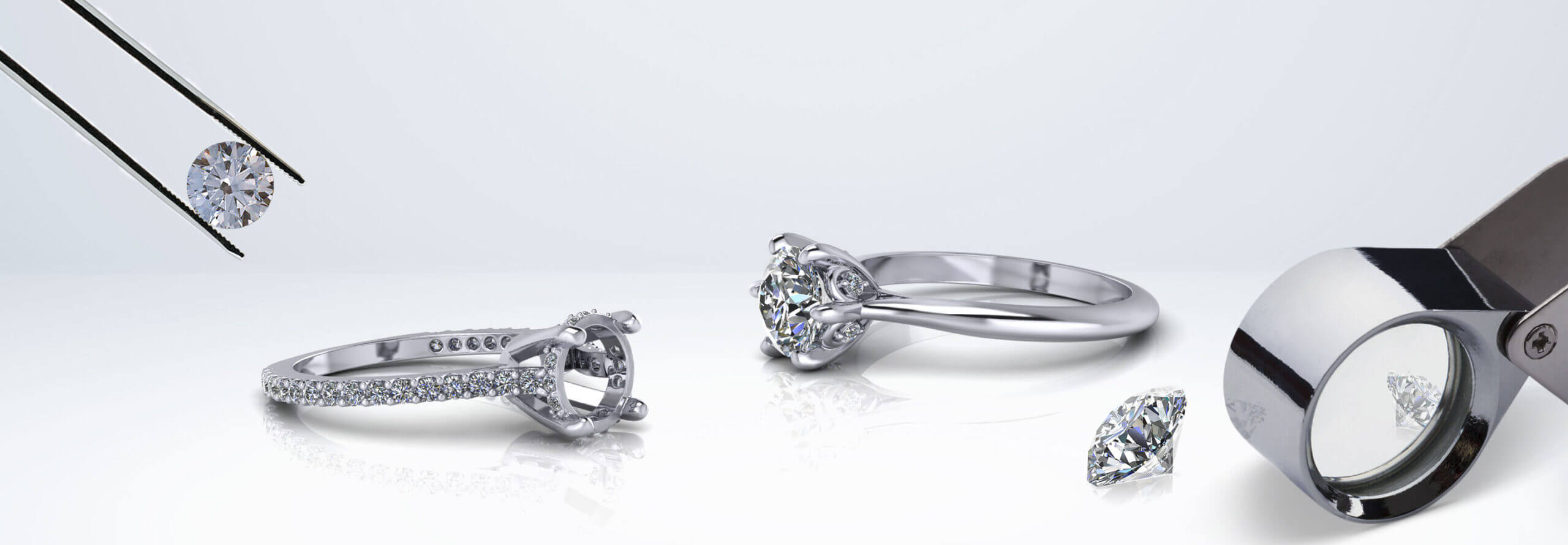
Diamond Ring Malaysia Why Man Made Diamonds Are Winning Hearts

When it comes to expressing love and commitment, many effects carry the same dateless charm as a diamond ring. In Malaysia, diamond rings have long been associated with engagements, marriages, and anniversaries. Traditionally, natural diamonds have been the go- to choice, but times are changing. With adding mindfulness about sustainability, ethical sourcing, and affordability, man made diamonds are gaining remarkable fashionability in Malaysia’s jewelry request.

The Rise of Man Made Diamonds in Malaysia

Just a decade agone, lab- grown or man made diamonds were still fairly new to the Malaysian request. numerous couples were skeptical — could a diamond created in a laboratory truly compare to one booby-trapped from the earth? moment, the answer is clear. Man made diamonds are real diamonds. They’ve the same brilliance, chemical structure, and hardness as natural monuments, but with one important difference they’re created using advanced technology under controlled conditions.

This shift in perception has made man made diamonds an seductive volition for youthful Malaysians who want a stunning diamond ring Malaysia without compromising their values or budgets.

Why Malaysians Are Choosing Man Made Diamonds

Affordability Without Immolating Quality
One of the strongest reasons people turn to man made diamonds is the price. On average, lab- grown diamonds bring 30 – 40 lower than booby-trapped bones. For couples planning their marriage, this price difference can make a huge impact. rather of spending redundant on a booby-trapped diamond, they can invest in other marriage charges, trip, or indeed unborn savings.

Ethical and Sustainable Choice
The global diamond assiduity has faced review for issues like environmental damage and unethical labor practices. By choosing man made diamonds, Malaysians can feel confident that their ring is conflict-free and eco-friendly. These monuments bear significantly smaller natural coffers and leave a lower carbon footmark.

Beauty and Brilliance

A common misconception is that man made diamonds warrant sparkle. In reality, they’re visually identical to booby-trapped diamonds. Jewelers in Malaysia frequently say that indeed experts need technical outfit to tell the difference. For couples, this means they can wear their diamond ring Malaysia without fussing about whether others can tell it’s man- made.

Popular Trends in Malaysia’s Diamond Ring Market

In Kuala Lumpur, Penang, and Johor Bahru, jewelry stores are reporting an increase in demand for custom- made diamond rings featuring man made diamonds. Some of the popular styles include:

  • Bijou rings – A single glowing gravestone remains a dateless fave.
  • Halo settings – lower diamonds girding a central gravestone for maximum sparkle.
  • ultramodern minimalist designs – satiny, elegant bands with subtle diamond accentuations.

Interestingly, numerous youthful Malaysians are concluding for larger monuments than they would typically go with booby-trapped diamonds. Since man- made options are more affordable, couples do n’t have to compromise on carat size.

Where to Find Diamond Rings in Malaysia

From luxury boutiques in Pavilion Kuala Lumpur to independent jewelers across the country, options for buying a diamond ring in Malaysia have expanded fleetly. numerous jewelers now openly promote their man- made collections, offering instrument and grading reports just like natural diamonds. Online platforms are also getting popular, allowing couples to design and customize their rings from the comfort of home.

Final studies

Whether you’re planning an engagement, celebrating an anniversary, or simply treating yourself, a diamond ring remains a important symbol of love and fineness. diamond ring Malaysia, the rise of man made diamonds has given couples more choice than ever ahead. With their affordability, ethical product, and inarguable beauty, it’s no surprise that man made diamonds are getting the favored option for numerous.

Choosing a diamond ring in Malaysia moment is n’t just about tradition — it’s about making a decision that reflects both your love story and your values. And with man made diamonds, you can have it all brilliance, quality, and peace of mind.

lab diamonds

Diamonds have continually held a unique place in the world of fine jewelry, symbolizing love, commitment, and timeless elegance. Among the numerous shapes and styles available, oval diamond rings have steadily gained recognition for their distinctive blend of sophistication and visual appeal. At the same time, the jewelry industry has been transformed by the growing acceptance of lab diamonds, which provide a more ethical and often more affordable alternative to mined stones.

When these trends intersect—an oval diamond cut crafted in a laboratory—you get a combination that resonates with modern couples seeking beauty, value, and conscience in their choice of engagement or celebration jewelry.

Why the Oval Cut is Captivating Jewelry Lovers

The oval cut diamond has been around since the 1960s, credited to diamond cutter Lazare Kaplan, who refined the elongated form for maximum sparkle. Its enduring allure lies in its ability to capture light brilliantly while offering a flattering appearance on the hand.

Oval diamonds share the fire and brilliance of a round brilliant cut but with an elongated silhouette that can make the wearer’s fingers appear longer and more slender. Their symmetrical shape offers a balanced, timeless look while still feeling fresh and distinctive compared to more common cuts.

Another appeal of oval diamonds is their versatility. They pair well with various ring settings—solitaires, halos, pavé bands, or even more contemporary bezel settings. This adaptability allows couples to express personal style while maintaining the elegance of a classic diamond ring.

The Lab Diamond Revolution

Over the past decade, lab-grown diamonds have shifted from niche to mainstream. Once regarded with skepticism, these stones now stand as a legitimate alternative to mined diamonds, thanks to advancements in technology and growing consumer awareness.

Lab diamonds are chemically, physically, and optically identical to natural diamonds—they’re both made of pure carbon, crystallized in a cubic structure. The difference lies in their origin: instead of forming over billions of years deep within the Earth, lab diamonds are grown in controlled environments using two primary techniques:

High Pressure, High Temperature (HPHT)

Mimicking the natural diamond formation process.

Chemical Vapor Deposition (CVD)

Building the diamond layer by layer from carbon-rich gas.

From a visual and durability standpoint, lab diamonds are indistinguishable from mined ones without specialized testing equipment. Jewelers and gemologists often use the same grading standards—cut, color, clarity, and carat—for both types.

Why Oval Diamond Rings and Lab Diamonds Are a Perfect Pair

When you combine the flattering shape of an oval diamond with the innovation of a lab-grown stone, you create a ring that is not only stunning but also forward-thinking.

Affordability Without Sacrifice

Lab diamonds typically cost 30–50% less than mined diamonds of similar size and quality. This means couples can often opt for a larger carat weight or higher clarity without exceeding their budget. For oval cuts, which already tend to appear larger per carat due to their elongated shape, the savings are even more impactful.

Ethical and Sustainable Appeal

Many consumers are drawn to lab diamonds because they avoid the environmental disruption and ethical concerns associated with some mining operations. Choosing a lab-grown oval diamond allows buyers to align their purchase with their values.

Consistent Quality and Choice

Because lab diamonds are grown in controlled conditions, buyers have access to a wide variety of sizes and qualities. This makes it easier to find the perfect oval cut that meets personal preferences for brilliance, proportion, and color.

Design Trends for Oval Lab Diamond Rings

The pairing of oval diamonds and lab-grown technology has opened the door to exciting design possibilities. Some trends making waves include:

  • Hidden Halo Settings – Tiny accent diamonds placed beneath the main stone add subtle sparkle visible from the side.
  • East-West Orientation – Instead of the traditional vertical placement, the oval is set horizontally for a modern twist.
  • Vintage-Inspired Bands – Milgrain detailing, filigree work, and tapered baguette accents nod to classic eras while showcasing a contemporary lab diamond center.
  • Minimalist Solitaires – A slim, elegant band that lets the oval stone take center stage.

These trends reflect the adaptability of the oval cut, which can shift from understated to extravagant depending on setting style.

How to Choose the Best Oval Lab Diamond

When shopping for an oval-shaped lab diamond, the same principles of diamond selection apply—but with a few cut-specific considerations.

Length-to-Width Ratio

This determines the oval’s appearance. Ratios between 1.35 and 1.50 are most popular, balancing elegance with finger coverage.

Avoiding the Bow-Tie Effect

Many ovals display a shadow across the center resembling a bow tie. While some bow tie is natural, a well-cut diamond minimizes this effect without compromising brilliance.

Cut Quality

Because oval cuts aren’t graded for cut in the same way as rounds, rely on trusted jewelers and in-person inspection or high-quality video to assess sparkle.

Color and Clarity Preferences

The elongated shape can make color more noticeable, so some buyers prefer higher color grades (G or better) for a bright, white look.

The Future of Diamonds: Lab-Grown Acceptance

Market research shows lab diamonds are here to stay, particularly among younger generations who prioritize sustainability and value over tradition alone. Jewelers are increasingly offering oval lab diamond rings alongside mined options, and even luxury brands are entering the lab-grown market.

The stigma that once surrounded lab-grown stones is fading quickly, replaced by recognition of their technological achievement and ethical advantages. For many, choosing an oval cut lab diamond ring is a way to embrace modern values while enjoying a timeless aesthetic.

Caring for Your Oval Lab Diamond Ring

Whether lab-grown or mined, diamonds are incredibly durable—ranking 10 on the Mohs scale of hardness—but they still benefit from proper care:

  • Clean regularly with mild soap, warm water, and a soft brush.
  • Avoid harsh chemicals that could damage the metal setting.
  • Store separately from other jewelry to prevent scratching.
  • Have the setting checked annually by a jeweler to ensure prongs remain secure.

With proper care, your oval lab diamond ring will retain its brilliance for decades.

Conclusion: A Modern Classic

The combination of oval diamond rings and lab diamonds reflects a shift in how we think about luxury, beauty, and responsibility. Oval cuts offer timeless elegance and flattering proportions, while lab-grown diamonds provide an ethical, sustainable, and budget-friendly choice without compromising quality.

For couples today, this pairing represents more than a trend—it’s a statement of personal values and style. Whether you’re drawn to the classic allure of an elongated sparkle or the innovation of a diamond born from science, an oval lab diamond ring offers the best of both worlds: a symbol of love that’s as forward-thinking as it is enduring.

buying bitcoins australia

I’ve reported on a lot of financial trends over the years — property bubbles, the rise of side-hustle culture, even the early days of buy-now-pay-later apps — but nothing has sparked the same mix of curiosity, confusion, and downright excitement as Bitcoin. The way everyday Aussies talk about it now almost reminds me of how people once spoke about goldfields in the 1800s: part mystery, part opportunity, part “I’d better look into this before everyone else gets ahead.”

And honestly, I get it. The idea that anyone can take part in a global digital economy from a phone or laptop sounds a bit sci-fi, but here we are. Over the past decade, buying bitcoins in Australia has quietly shifted from a niche tech hobby to something your neighbour, your barista, or your accountant might casually mention while waiting for their morning flat white.

Still, the world of crypto has a way of feeling like a maze. Some people jump in too fast. Others freeze and never make a move. So, I wanted to explore the topic the way a good journalist does — not with hype or jargon, but with grounded insights, real-world observations, and a genuine attempt to make sense of the changing financial landscape.

If you’ve ever thought about how Australians actually buy Bitcoin safely, easily, and sensibly, settle in — this might be the most practical deep-dive you’ll read all year.

Why Australians Are Suddenly So Interested in Bitcoin

You might not know this, but Australia ranks surprisingly high when it comes to crypto adoption per capita. We’re early adopters by nature. We like independence. And we’re pretty tech-forward without making a big song and dance about it.

Several things have pushed Bitcoin into the spotlight locally:

1. Economic uncertainty

When inflation bites, interest rates climb, and the housing market becomes a never-ending guessing game, people start looking for alternative places to store wealth. Bitcoin isn’t a magic solution — but it is a new option. And new options get attention.

2. Bitcoin feels borderless

Anyone who has sent money overseas knows the pain of bank fees and waiting days for a simple transfer. Bitcoin’s speed and independence from traditional institutions appeal to people who just want more freedom with their money.

3. Growing mainstream acceptance

Ten years ago, if you mentioned Bitcoin at a family BBQ, you’d probably get a polite nod followed by, “Oh… interesting.”
Now? Someone will have a crypto wallet on their phone and an opinion on whether they should’ve bought earlier.

4. It’s easier than ever

Gone are the days when buying Bitcoin required technical know-how or obscure software. Today, buying bitcoins in Australia is about as straightforward as signing up for any online financial service — assuming you pick a reputable platform.

So, How Do Australians Actually Buy Bitcoin Today?

Let me walk you through this in a way that feels as real as it is practical — the steps an everyday Aussie would take, and the common questions that pop up.

Step 1: Choose a trusted platform

This is where most people get stuck. There are exchanges, brokers, marketplaces, peer-to-peer options… and not all are created equal. Some focus on convenience, some on low fees, some on personal service.

A lot of locals prefer Australian-based providers because it feels more familiar and transparent. For example, I came across a service while researching — an Australian-run platform dedicated to helping people navigate buying bitcoins Australia. The thing that stood out wasn’t just the simplicity; it was the clarity. When things feel too technical or too pushy, that’s when people get turned off. Sensible onboarding goes a long way.

Step 2: Verify your identity (yes, you have to)

The law is the law. Crypto platforms in Australia must comply with AUSTRAC regulations, meaning you’ll need to provide ID. Some people assume this is sketchy or optional — it isn’t. Any legitimate exchange will ask for it.

If a site doesn’t ask you to verify yourself… well, that’s a massive red flag.

Step 3: Deposit money

You can usually deposit via:

  • PayID (fast and popular)
  • Bank transfer
  • POLi (on some platforms)
  • Card payments (not always the cheapest)

Most Australians simply use PayID because it processes quickly and avoids the hassle of waiting.

Step 4: Make your purchase

Here’s where people get excited — and sometimes a little carried away. You don’t need to buy a whole Bitcoin (worth tens of thousands of dollars). You can buy $20 worth if you want. Bitcoin is divisible into tiny units, so beginners often start with a small amount just to understand how it works.

There’s something almost surreal about seeing your first bit of Bitcoin appear in your wallet — like you dipped a toe into the future.

Step 5: Store it properly

This step separates the casual dabblers from the more informed buyers.

You have two main choices:

1. Keep it on the exchange

Convenient, simple, ideal for beginners — but slightly riskier because you’re trusting a third party with your coins.

2. Move it to a personal wallet

This could be a mobile app or a hardware device like a Ledger. You hold your private keys; you control your coins. It feels empowering, though it comes with responsibility.

A good rule I’ve heard experts repeat is:
“Not your keys, not your Bitcoin.”

But if that sentence sounds intimidating right now, don’t worry. Every seasoned crypto user started exactly where you are — uncertain but curious.

What’s Driving Bitcoin Buying Habits in Australia Right Now?

Everyone has their own reasons for stepping into the Bitcoin world. In the past year, I’ve interviewed quite a few people — a Melbourne barista, a retired schoolteacher from the Sunshine Coast, a FIFO worker from WA — and here are the motivations that pop up again and again.

1. Wealth diversification

Some Australians treat Bitcoin like digital gold. They don’t expect it to double overnight; they just want part of their wealth outside the traditional system.

2. Curiosity mixed with FOMO

Let’s be honest: Bitcoin’s wild price history has made headlines for years.
A lot of people don’t want to look back and say, “I should’ve bought just a little when I had the chance.”

3. Sending money overseas

One international student told me Bitcoin was a lifesaver for sending funds back home quickly without copious bank fees.

4. Supporting the idea of financial independence

There’s a philosophical angle too. Bitcoin represents money that isn’t controlled by any single government or institution. Some Aussies really like that.

Is Buying Bitcoin Safe in Australia?

This is the question I hear the most — and it’s a fair one.

Here’s the balanced, journalist-approved truth:

Yes, buying Bitcoin in Australia is safe IF you use regulated, reputable platforms.

These platforms follow Australian financial laws, protect users with security measures, and operate transparently.

But the crypto world also attracts scammers and dodgy operators.

If someone messages you out of the blue promising guaranteed returns… run.

The safest path is sticking to trusted Australian services or globally recognised exchanges. If you’re not sure about a provider, look up reviews, check their ABN, and see if they’re AUSTRAC registered. These small checks protect a lot of people from big mistakes.

How Much Bitcoin Should Australians Buy?

I’m always hesitant to give hard numbers because everyone’s financial story is different. And frankly, if someone ever does tell you exactly how much to buy… that’s a red flag.

But most experts I’ve spoken to say something along these lines:

Start with an amount you’re comfortable losing.
Then gradually build up if you feel confident.

Bitcoin is volatile — the price can jump or drop dramatically in a day. For some people, that’s thrilling; for others, it’s terrifying.

So dip your toes in slowly. Understanding your own risk tolerance is more important than guessing the next big price move.

Learning Before Buying Is Half the Battle

This might be the most old-school journalist thing I’ll say in this entire article:
Do your homework.

But honestly, you’ll enjoy the process more if you understand what you’re getting into.

A good beginner’s resource I stumbled across recently explains the basics in plain language — how Bitcoin works, why people value it, and how you can safely buy Bitcoin without falling into common traps. It felt refreshingly straightforward, especially compared to the overly technical guides floating around.

The more you learn, the more confident you’ll feel — and confidence matters.

A Quick Look at Bitcoin Trends Across Australia

I’ve noticed a few regional quirks during my research, and they’re too interesting not to share.

  • Sydney buyers tend to be more tech-savvy and follow global trends closely.
  • Melbourne has a thriving creative community that loves innovation — lots of small, experimental investors.
  • Brisbane folks often ask practical questions about long-term safety and regulations.
  • Perth and regional WA have strong uptake from FIFO workers who like having control over their investments while travelling.
  • Tasmania surprised me — a lot of quiet, thoughtful investors who do extensive research first.

There’s no single “type” of Aussie Bitcoin buyer anymore. It’s become mainstream enough that people from all walks of life are giving it a go.

Why the Conversation Around Crypto Is Changing

A decade ago, Bitcoin conversations felt fringe. Now they feel… well, normal. Even banks, governments, and major institutions are admitting publicly that the technology isn’t going away.

And maybe that’s the real story here.

Buying Bitcoin in Australia is no longer about chasing quick riches. It’s about participating in something modern, global, and increasingly relevant. Whether Bitcoin becomes the financial backbone of the future or simply a digital form of gold, everyday Australians are choosing to explore it rather than sit on the sidelines.

Final Thoughts: If You’re Curious, Start Small — But Start Somewhere

Every big trend begins with small personal decisions. A tiny first step. A moment of curiosity. A thought like, “Maybe I’ll just learn a bit more.”

If you’re considering buying Bitcoin, you don’t need to be an expert. You don’t need to be wealthy. You don’t even need to be brave — just willing to explore an idea that’s shaping the modern world.

And who knows?

sell gold bullion Perth

If you’ve ever stood in a Perth bullion showroom on a busy weekday morning, you’ll know the atmosphere is a bit unusual. People aren’t browsing for new boots or a coffee machine. They’re holding small bars of something far more dramatic — pieces of metal that can shape fortunes, settle debts, or offer a sense of security when the world feels like it’s wobbling.

I still remember the first time I decided to sell part of my gold stash. It was a hot afternoon, and I’d convinced myself it was time to “rebalance my portfolio,” although if I’m honest, a bit of curiosity was involved too. I’d always bought gold as a form of insurance — something to tuck away quietly — so selling felt a bit like letting go of a safety blanket.

Now, after more than ten years of navigating the ins and outs of the Australian bullion world, I’ve learnt a few things that might help anyone thinking about whether it’s the right time to sell gold bullion in Perth. The market here is unique, surprisingly lively, and full of opportunities — but only if you walk in prepared.

So, grab a cuppa, settle in, and let’s talk about how to make the most of selling your gold in WA.

Why Perth Is a Special Place to Sell Gold

People outside of Western Australia often forget we’re basically sitting on top of some of the world’s richest gold deposits. There’s something almost poetic about selling gold in a city that grew up on the back of gold rushes and mining booms.

Because of this heritage, Perth’s gold-buying ecosystem is robust. You’ll find:

  • Established bullion dealers with decades of reputation
  • Refiners operating close to the mines
  • A local understanding of gold as both an investment and a cultural symbol
  • Highly competitive pricing because the market is so active

When you’re selling bullion here, you’re not entering some fringe collector’s niche. You’re stepping into a mature industry that deals with gold every single day.

Should You Sell Now? The Question Everyone Asks

This is usually where people expect some magical chart reading or prediction. But the truth — which you might not love — is that no one really knows where gold will sit next week, let alone next year.

What I’ve learnt is this: you shouldn’t sell gold based purely on panic or hype. Instead, ask yourself:

  • Has your financial situation changed?
  • Do you have better opportunities elsewhere?
  • Are you holding more gold than fits your risk appetite?
  • Are you rebalancing because the value has risen significantly?
  • Do you simply need liquidity?

Gold is flexible. It doesn’t judge you for selling it. If you need the money, shrug off the stigma — that’s what it’s there for.

Choosing the Right Gold Dealer in Perth

Walking into just any shop with the word “gold” on the sign is a bit like choosing a random mechanic when your car’s already making strange noises. Technically it might be fine, but you’d feel much better knowing you went somewhere reputable.

Here’s what I always look for:

1. Transparent Pricing

A professional bullion dealer should display buy-back prices publicly and update them throughout the day as the spot price shifts. If they’re vague, or the numbers mysteriously “depend on what you’ve got,” that’s a red flag.

2. Instant Payment Options

Bank transfer, cash (within legal limits), or even bullion swaps should be available. The faster the payment, the better the experience.

3. No Pressure

You should never feel pushed to sell. The best dealers are calm, factual, and professional. If someone’s leaning over the counter trying to convince you it’s “your last chance before gold crashes,” walk out.

4. Security Measures

The shop should feel secure, organised, and discreet. You don’t want to feel like everyone in the street knows you’re carrying bullion.

5. Experience and Reputation

This is one of the big perks of Perth: we’re spoiled for choice when it comes to experienced gold dealers. You’ll soon get a feel for who treats their customers with respect.

If you’re just starting your research, the team behind sell gold bullion Perth has become a well-known reference point for people wanting clarity around both buying and selling.

What Impacts the Price You’ll Get When Selling?

Most people think the gold price is the only factor that determines your payout. Not quite. A few other details can nudge the value up or down.

1. Purity and Form

A well-known hallmark — Perth Mint, ABC, Pamp, or similar — generally means better liquidity and easier verification.

Unbranded bars? Still valuable, of course, but they may require additional testing.

2. Market Volatility

If the market is moving rapidly (it happens more often than you’d think), dealers may adjust premiums slightly to protect against sudden drops while they’re processing your sale.

3. Condition

Scratches and tarnish won’t usually matter much for gold bars (since gold is melted for refining), but collectors’ bars or limited-edition pieces may be affected.

4. Quantity

Selling larger volumes can sometimes open the door to slightly better pricing. Not always, but often enough that it’s worth asking.

How to Prepare Before You Sell Your Bullion

A bit of quick prep can save you stress and maximise your return.

Gather Your Proof of Purchase

You don’t technically need it, but it can help confirm authenticity faster.

Clean? Don’t Bother

Avoid polishing or attempting to “improve” the appearance. You might accidentally damage or scratch the gold. Dealers see hundreds of pieces — a fingerprint won’t bother them.

Know the Current Spot Price

You don’t need to become an overnight economist. Just check a live gold chart before you go in so you have a sense of the day’s pricing.

Decide on Your Minimum Acceptable Price

This helps you avoid making emotional decisions under pressure.

Common Mistakes People Make When Selling Gold in Perth

After watching countless people walk into dealers for the first time, there’s a pattern of repeat mistakes. If you can dodge these, you’ll already be ahead of the curve.

1. Selling Too Quickly

Gold has a funny way of dipping for three days, then bouncing back dramatically. If you’re not in a rush, give yourself some breathing room.

2. Not Checking Multiple Dealers

Even small differences can add up.

3. Ignoring Fees

Most proper bullion dealers won’t charge fees — they simply adjust their buy-back rate. But some places sneak in hidden costs. Always ask for a final payout figure before agreeing.

4. Itching to Sell Coins as Bullion

Certain gold coins have collector value well above spot price. If you’ve got sovereigns, proofs, or Perth Mint special editions, get a second opinion before selling them as melt.

The Emotional Side of Selling Gold

It might sound silly, but selling gold can be oddly sentimental. I’ve spoken to people who’d inherited bars from grandparents, or who’d bought gold during stressful times and saw it as a kind of personal victory.

Letting go of it can feel different from selling crypto or shares. Gold has weight — literally and metaphorically. So if you feel a bit attached to it, you’re not alone.

Sometimes acknowledging the emotional side actually helps you make a more rational decision.

How Perth Compares With Other Australian Cities

I’ve dealt in several cities, and the contrast is interesting.

Perth’s gold market is extremely active due to its proximity to mines and refineries. Melbourne, on the other hand, often has a more diverse collector scene — vintage jewellery, numismatics, estate gold, you name it.

Speaking of Melbourne, if you ever need to cross-check information on bullion authenticity, I’ve found this guide by gold buyers Melbourne surprisingly handy, especially when helping friends interstate.

Different cities, different vibes — but the underlying principles are the same: trust, transparency, and market knowledge.

What It’s Really Like Walking Into a Dealer With Bullion

This is something people don’t like to admit, but most first-timers feel slightly awkward walking into a gold shop. You half-expect alarms to go off or for other customers to stare.

In reality? It’s incredibly straightforward.

You’ll usually be greeted by a receptionist or specialist who asks what you’re looking to do. You’ll take a seat, they’ll assess your bullion, weigh it openly in front of you, and give you the day’s buy-back price.

If you agree, they’ll process your ID (standard legal requirement) and transfer your payment. In many places, you’re in and out in under fifteen minutes.

The calmness of the experience is honestly a little anticlimactic — in a good way.

A Few Signs You’re Dealing With a Genuine Professional

I’ve always believed a good gold dealer is a bit like a good doctor: calm, confident, and happy to explain things clearly.

Here’s what I watch for:

  • They test the gold in front of you
  • They break down how the payout is calculated
  • They don’t act cagey about buy-back rates
  • They’re patient with questions
  • They don’t rush you toward the counter

If you get a bad feeling, leave. Perth has enough reputable dealers that you don’t need to settle for anything less.

Why Selling Gold Doesn’t Mean Giving Up on Gold

Some people think selling gold means you’re abandoning the idea of holding precious metals, but that’s not how most seasoned investors approach it.

Selling can be:

  • A way to take profits
  • A way to rebalance
  • A way to shift into different commodities
  • A way to free up cash for real estate or business
  • A temporary pivot

A lot of Perth locals I know sell high and buy again later when the market cools — nothing dramatic, just strategic.

A Final Word: What I’d Tell Anyone Selling Gold for the First Time

If you’re still on the fence, here’s the simplest advice I can give you: take your time, do a bit of research, and trust your instincts.

Gold is one of those assets that has survived wars, recessions, and every kind of global drama. Whether you’re holding onto it or letting some go, the important thing is that the decision serves you — your goals, your financial health, your peace of mind.

Selling gold bullion in Perth isn’t a mysterious process. Once you understand how the market works here, it actually becomes quite empowering. There’s something grounding about having full control over a physical asset and choosing when and how to convert it back into cash or new opportunities.

why pawn shops require id

I spent nearly fifteen years working as a jeweller, which means I’ve had more than my fair share of strange conversations across glass counters. Some were lovely — people choosing engagement rings with shaking hands — and others were, well, a little odd. But one thing that always surprised me was how often customers misunderstood the rules around identification when selling or pawning items.

Even now, whenever I chat with friends about second-hand jewellery or people dealing with financial emergencies, someone always asks: “Why do pawn shops require ID? Isn’t it just a quick trade?”

It seems like such a simple transaction: walk in with your gold necklace or guitar, walk out with cash. But the truth behind that tiny sliver of admin — handing over your driver’s licence — is far more interesting, and honestly, quite reassuring once you know what’s going on.

So, if you’ve ever wondered why pawn brokers in Australia insist on proper identification, or if you’re curious about what happens to that information afterwards, let’s unpack it properly, from someone who’s been on the business side of the counter.

The Real Reason Pawn Shops Ask for ID (It’s Not Just Red Tape)

When I first started in jewellery, I assumed pawn shops collected ID because “that’s just how it’s done.” But once you see how the second-hand market works — and how quickly stolen goods can circulate — the logic becomes painfully clear.

A pawn shop is more than a place for emergency cash. It’s a mini trading hub that handles everything from inherited gold chains to laptops, bikes, watches, vintage cameras, and occasionally something you’d assume belonged in a museum.

With so much variety coming in every day, it makes sense that the industry is heavily regulated.

Protecting Consumers and the Community

Think of ID requirements as a safeguard — not just for the shop, but for everyone involved.

If a stolen item ends up in the display case, the shop could face serious trouble. The rightful owner could lose something precious. The police waste time tracing it back. And the person who brought it in might disappear into thin air if the store didn’t record their details.

Requiring identification helps:

  • prove who traded what and when
  • deter thieves from offloading stolen goods
  • create traceable records for police investigations
  • protect legitimate sellers by showing they owned the item

It’s a pretty elegant system when you see it working smoothly.

If you’re curious about the official explanation, Melbourne Pawn Shops has a helpful page that goes into-depth on why pawn shops require ID and how those records are handled in Australia. I remember reading it and thinking, “Yep, this sounds exactly like what we saw in the jewellery trade.”

Pawn Shops Deal With Sensitive Items Daily

Here’s something most people outside the industry don’t think about: pawn brokers aren’t just taking in second-hand trinkets. They’re dealing with items that often have a story — or complications.

1. Jewellery and Precious Metals

Gold, in particular, is incredibly easy to melt down. It can be transformed, re-stamped, or completely altered beyond recognition within minutes. That’s why gold buyers and pawn shops follow strict rules. If stolen jewellery makes it into the refinery pipeline, it’s almost impossible to trace.

If you’ve ever wondered what to consider when buying or selling gold yourself, there’s a surprisingly thorough guide here: gold buyers — worth reading if you have old pieces tucked away in the bottom drawer.

2. Electronics

Smartphones, laptops, cameras — these items can be linked to cloud accounts, bank apps, and very personal data. ID requirements add another layer of accountability. If someone tries to sell 10 “found” iPhones, the shop knows exactly who brought them in.

3. Musical Instruments

This one feels close to home. I once helped a friend track down a vintage guitar stolen from her rehearsal space. If the pawn shop hadn’t checked ID, she never would’ve seen it again.

4. Collectibles and Heirlooms

Pawn brokers sometimes take in rare coins, watches, or artwork. When a police report comes in, those details help investigators compare serial numbers, makers’ marks, or hallmarks.

The Law Behind It: What Pawn Shops Must Do in Australia

Pawn brokers don’t just “choose” to collect ID. They’re legally required to.

Every state and territory has its own version of second-hand dealer and pawnbroker laws, but the common thread is simple: shops must verify the identity of anyone selling or pawning goods.

Generally, this means:

  • taking a copy of a government-issued ID
  • recording the seller’s details
  • keeping the item for a mandatory holding period
  • providing information to local police upon request

The holding period is especially important. It gives time for stolen goods to be reported, matched, and recovered before they disappear into the resale market.

In Victoria, for example, the holding period for second-hand goods is often 7–14 days depending on the item type, giving police enough time to trace anything suspicious.

Do Pawn Shops Keep Your Personal Information Forever?

This is where a lot of people feel hesitant — and I get it. Nobody wants their personal details floating around indefinitely.

Thankfully, the rules around record-keeping are relatively strict. Pawn brokers can only use your information for legal compliance and police reporting. They must store it securely, and they can’t sell it, share it for marketing, or do anything creepy with it.

And yes, they’re required to delete or destroy that information after the mandatory retention period ends, though the timeframe varies by state.

In all my years dealing with second-hand jewellery, I never once saw a pawn shop misuse customer information. Most of them are small local businesses run by families, not faceless corporations, and they take privacy surprisingly seriously — often more so than big retail chains.

Why Honest Sellers Shouldn’t Worry

There’s something refreshing about transparency in the second-hand world. If you walk into a pawn shop with legitimate items — your own jewellery, a guitar you bought years ago, or electronics you no longer need — showing ID is the easy part.

To be honest, it’s usually less paperwork than signing a mobile phone contract.

If anything, these ID rules work in your favour. They help prove ownership if anything is contested later. They protect you from being confused with someone else. And they ensure the shop’s police checks run smoothly so you’re not waiting weeks to sell something.

Whenever I sold my own tools or old jewellery findings after leaving the industry, I appreciated the process. It felt clean, fair, and professional.

A Common Misconception: “They’re Tracking You”

Every now and then, someone insists that pawn shops use ID to create some kind of personal profile or database. That’s not how it works — at all.

The ID is simply tied to the specific transaction. If you visit again six months later, the shop may not even remember you unless you bring in something memorable, like a saxophone or an antique brooch shaped like a kookaburra.

The idea is accountability, not surveillance.

From a Jeweller’s Perspective: It Protects the Craft Too

Jewellery is deeply tied to emotion — engagements, weddings, anniversaries, milestones. When something precious is stolen, it’s not just the monetary loss that hurts.

I remember a woman who came into our store years ago, devastated because her grandmother’s ring had been stolen. The piece wasn’t worth much financially, but emotionally, it was priceless. The biggest comfort we could give her was that the ID rules made it far more likely that if someone tried to sell or pawn it, it would be flagged.

That experience is probably why I’m such a defender of ID requirements. They don’t just stop thieves; they sometimes return heirlooms to the people who love them.

Why The System Works (Better Than Most People Realise)

If you’ve ever visited a busy pawn shop in Melbourne, Sydney, or Brisbane, you’ll know there’s a steady flow of people coming in with all sorts of items. And yet — despite the volume — stolen goods rarely make it onto the shelves.

Why? Because the ID requirement filters out most of the risk before it even begins.

Thieves don’t like leaving paper trails.
Police have clear documentation to work with.
Legitimate customers are protected.
Shops avoid massive legal headaches.

Everyone benefits.

A Few Things You Might Not Know About the Process

You’d be surprised how many little details the average person isn’t aware of:

1. A pawn shop can refuse an item if the seller seems unsure of its origin.

If someone says, “I don’t know whose phone this is,” that’s a hard no.

2. Police run routine checks on pawn shop databases.

It’s not just reactive — sometimes they catch stolen items before the owner even notices they’re missing.

3. You can request a copy of your transaction record.

Helpful for tax purposes or warranty claims.

4. Items with serial numbers are the easiest to trace.

Musical instruments, watches, cameras, tools — they’re quickly matched if reported stolen.

5. Some shops take fingerprints (in certain states)

It sounds dramatic, but it’s mainly for high-risk items and varies by region.

How This Helps You When Buying from Pawn Shops

If you’re on the buying side — maybe you want a vintage watch, a gold chain, or a second-hand DSLR — the ID requirement works in your favour too.

It means:

  • the shop has vetted every item
  • items are held long enough for police checks
  • you’re getting something clean and legal

Honestly, it’s one of the reasons I still like browsing pawn shops for unique jewellery pieces. The process gives me peace of mind.

So, Why Do Pawn Shops Require ID? The Simple Truth

Because it keeps the entire system honest.

It helps protect the community.
It deters crime.
It ensures transparency.
It keeps customers safe.
It preserves trust in the second-hand market.

And in a country like Australia — where people love a good bargain, and where plenty of us rely on pawn shops for quick cash or unexpected finds — that trust is everything.

A Final Thought from a Former Jeweller

If there’s one thing I’ve learned after decades around gold, gemstones, and countless stories behind them, it’s that transparency is worth far more than paperwork ever feels like.

When a pawn broker asks for your ID, they’re not trying to invade your privacy. They’re protecting you, the person who owned the item before you, and the next person who might treasure it. It’s a small moment — handing over your licence — but it’s part of a much bigger effort to keep the second-hand marketplace respectful, fair, and safe.